


A recurring vehicle defect may feel obvious to its owner, but a strong claim needs more than frustration or memory. A clear record can show when the problem began, how often it was presented for repair, what the dealer did, and whether the defect continued. Evidence created as events happen is often more useful than a timeline reconstructed months later.
The following records can help a lawyer assess a potential warranty claim. Coverage and remedies depend on the vehicle, warranty, repair history, and other facts, so no single document guarantees an outcome.
Why the Repair History Matters
California’s Song-Beverly Consumer Warranty Act addresses a manufacturer’s duties when a covered vehicle cannot be made to conform to applicable express warranties after a reasonable number of repair attempts. It defines a qualifying nonconformity by whether it substantially impairs the vehicle’s use, value, or safety.
The repair history can connect the reported symptom to the warranty period and show that the manufacturer or its authorized facility had opportunities to address it. Consumers considering a California Lemon Law claim should preserve records from the first visit, even if the dealer says the condition could not be duplicated.

Keep Every Repair Order
Keep the intake document and final invoice for every visit, including no-charge warranty work. Each record should identify the date, mileage in and out, the owner’s complaint, technician findings, diagnostic codes, parts replaced, and return date.
Before leaving, read the complaint description. If it says “noise” when the owner reported brake grinding and lost stopping power, ask for an accurate correction. Save the original and corrected versions. If the dealer keeps the vehicle, record each full day it is unavailable. A calendar can help confirm cumulative downtime and match loaner or rental records.
Document the Defect Safely
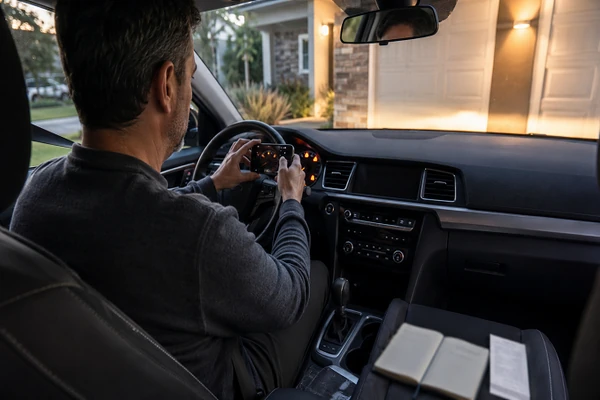
Photos and videos can capture intermittent problems that disappear at the service department. While the vehicle is safely parked, record warning lights, fluid leaks, failed controls, or the sound of a rough start. Never film while driving.
Preserve original files because their dates and metadata may support the timeline. Add a short incident log stating the date, mileage, conditions, passengers present, and what happened before and after the malfunction. Describe symptoms in plain, consistent terms instead of guessing at the mechanical cause.
Save Dealer and Manufacturer Communications
Keep emails, texts, app chats, letters, voicemail recordings where lawful, and manufacturer case numbers. Note the date, time, name, and role of each person involved. After an important call, send a brief email confirming the discussion and any promised next step.
These communications may show repeated notice, delayed parts, refused appointments, or manufacturer instructions. They can also fill gaps when a repair order uses vague language. Store complete conversations rather than cropped fragments.
Show the Defect’s Real Impact
Evidence can show how a defect affected use, value, or safety. Useful items may include towing bills, rental invoices, rideshare receipts, roadside-assistance records, and photographs from a breakdown. Keep proof of payment with each invoice.
Record concrete effects: the vehicle stalled at an intersection, could not charge, entered reduced-power mode, or remained unusable while awaiting a part. Avoid exaggeration. Specific facts are more useful than a broad statement that the vehicle is unsafe.
Check Recalls and Manufacturer Information
NHTSA’s vehicle recall database allows owners to search by VIN and review recalls, investigations, complaints, and manufacturer communications. Save relevant results, including technical service bulletins, with the search date. Such material can support further inquiry, but a recall, bulletin, or similar complaint does not prove an individual claim by itself.

An independent diagnostic report may add technical context. Before authorizing outside repairs, modifications, or destructive testing, however, get legal guidance. Changes to the vehicle can create disputes about causation or warranty coverage.
Preserve Purchase and Warranty Documents
Keep the purchase or lease agreement, buyer’s order, warranty booklet, registration, financing records, payoff information, and any certified pre-owned paperwork. These documents help identify the parties, delivery date, VIN, warranty terms, and transaction details.
Do not discard records after a dealer says the warranty has expired. The timing of the first report, later repair attempts, and periods when the vehicle received warranty service may still matter. A lawyer should assess the complete timeline.
Build One Organized Case File
Create a folder for each repair visit and name it by date. Add a one-page index listing mileage, complaint, repair action, days out of service, and whether the problem returned. Back up the file securely. Continue following reasonable service and recall instructions.
If a covered vehicle has repeated warranty defects, Seven Law Group can review the documents and explain the available options. Contact the firm to request a free consultation. This article provides general information, not legal advice; every matter depends on its own facts.