

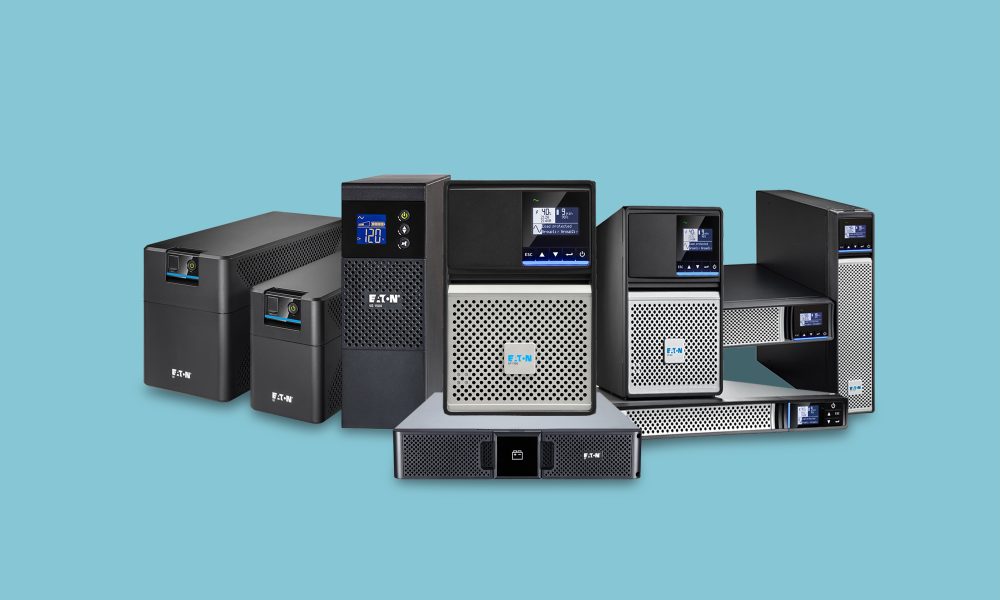
Power interruptions can damage equipment, corrupt data, and interrupt critical operations. That’s why many businesses rely on uninterruptible power supplies (UPS) to provide backup power and stabilise voltage. The Eaton 9A Series is often considered in environments that need reliable protection for IT systems, networking devices, and sensitive electronics.
What The Eaton 9A Series Is Designed To Do
A UPS is more than a battery. It helps protect equipment from power cuts, voltage fluctuations, surges, and electrical noise. Online UPS models typically provide continuous power conditioning, which is especially valuable for servers and mission-critical loads.
The Eaton 9A Series is commonly used for setups that require dependable uptime and stable output, particularly when downtime is costly.
Key Features That Matter In Real-World Use
Many buyers look for runtime scalability, efficient operation, monitoring options, and form-factor flexibility. A well-chosen UPS should match the load requirements and allow safe shutdown during extended outages. Monitoring and alerts can help IT teams respond quickly, while efficient design can reduce operating costs.
Another practical advantage is choosing a UPS that fits the installation environment—some deployments benefit from rack-mount designs, while others prefer tower configurations for smaller spaces.
Best Use Cases For This UPS Category
This type of UPS is often used for:
- Small to mid-sized server rooms
- Network switches, routers, and firewalls
- Workstations handling critical tasks
- Storage systems and security equipment
- Medical or lab devices sensitive to power instability
When a business evaluates options, reviewing specs and use guidance for the Eaton 9A Series helps confirm whether the model matches the load size, runtime expectations, and deployment style.
How To Select The Correct Configuration
A brilliant selection starts with calculating the total wattage, considering future expansion, and determining the required runtime. It’s also essential to confirm the availability of battery replacements and warranty support. With proper sizing and monitoring, a UPS becomes a long-term reliability investment rather than a short-term expense.