

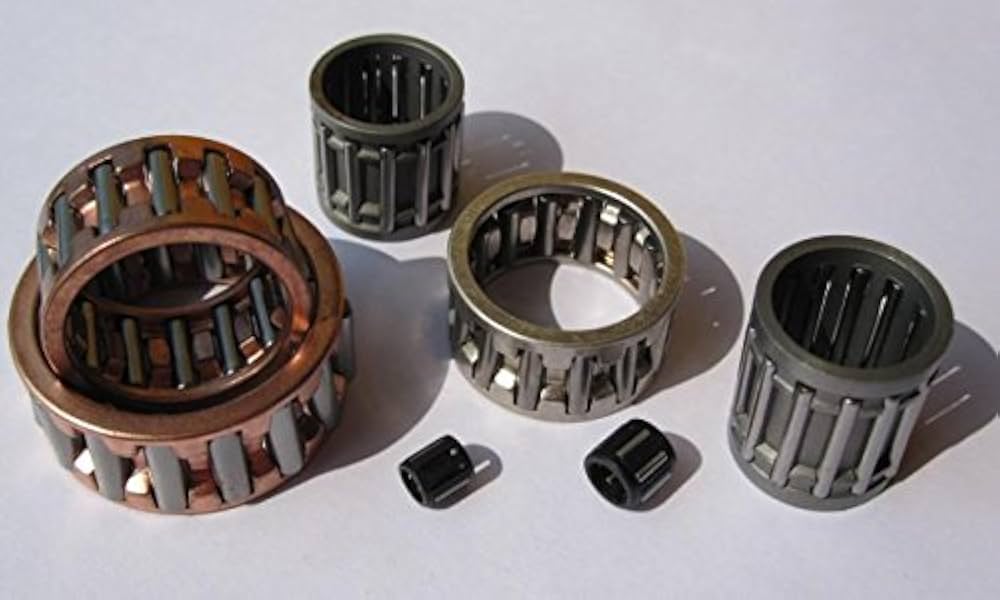
Precision motion systems are essential in automation, CNC machinery, and industrial equipment, where smooth travel and accurate positioning are critical. One component that often influences performance is the linear guide design—mainly how bearings are supported and guided during movement. A solution like the Bearing cage LM Guide SVS (รังลูกปืน LM Guide SVS, which is the term in Thai) is typically evaluated by engineers and maintenance teams for its role in stability, consistent motion, and reduced wear under demanding operating conditions.
What A Bearing Cage Does In A Linear Guide
In many linear motion systems, bearings can collide, shift, or wear unevenly if not controlled. A bearing cage helps by:
- Keeping rolling elements evenly spaced
- Reducing friction and contact noise
- Supporting smoother, more consistent movement
- Minimising irregular wear patterns over time
This is especially useful when equipment runs long cycles or needs repeatability over extended periods.
Where SVS-Style Guides Are Commonly Used
Linear guides are found across manufacturing and automation environments, such as:
- CNC and milling machines
- Pick-and-place robotic systems
- Semiconductor and electronics assembly lines
- Inspection systems requiring steady motion
- Packaging and conveyor automation
For these applications, selecting a guide that supports stable travel can improve product quality and reduce mechanical maintenance.
Key Benefits Teams Look For
When evaluating a linear guide, teams typically focus on performance outcomes like:
- Reduced vibration and smoother travel
- Improved consistency under different loads
- Lower maintenance due to controlled bearing behaviour
- Better long-term reliability with continuous operation
In many environments, a Bearing cage LM Guide SVS is considered when the goal is to reduce downtime and maintain precision even as cycles accumulate.
How To Choose The Correct Configuration
Choosing the correct linear guide setup depends on:
- Load direction and load weight
- Required travel length and speed
- Mounting orientation and alignment tolerance
- Environmental factors like dust, temperature, or lubricant conditions
A common best practice is to review the system’s real operational profile rather than sizing based only on peak loads. This prevents overspecification and helps optimise cost-to-performance.
Final Takeaway
A bearing cage design can play a significant role in maintaining motion consistency, reducing noise, and controlling long-term wear. For automation and machine builders who value repeatability, selecting a guide such as the Bearing cage LM Guide SVS can support smoother operations and fewer performance issues over time.