

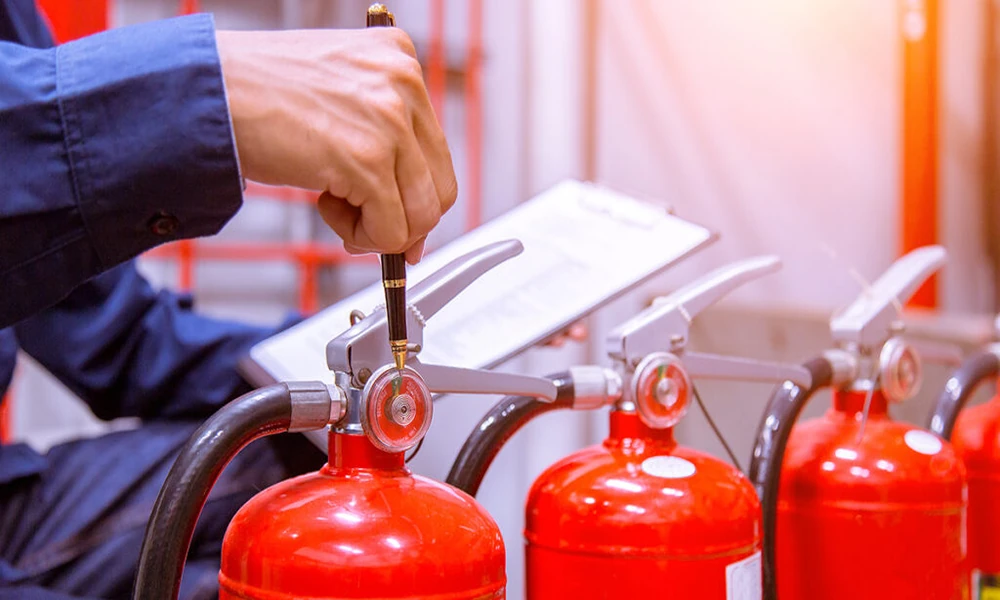
Most people rarely think about fire safety until an alarm sounds or an unexpected incident makes the news. Yet many house fires begin from everyday hazards that often go unnoticed, such as faulty electrical appliances, unattended cooking, overloaded sockets, or forgotten candles. While it is impossible to eliminate every risk, taking the time to assess your home can significantly reduce the chances of a fire and improve your family’s safety.
A proactive approach is always more effective than reacting to an emergency. Carrying out regular fire safety checks gives homeowners peace of mind and helps ensure that simple issues are identified before they become dangerous.
Why Prevention Matters
House fires can spread remarkably quickly. Within minutes, smoke and flames can make escape difficult, leaving little time to react. Beyond the immediate danger to people, fires can cause devastating damage to treasured possessions and result in lengthy, expensive repairs.
The encouraging news is that many residential fires are preventable. Small maintenance tasks, routine inspections, and sensible household habits all contribute to creating a safer living environment.
Fire prevention is not about expecting the worst. Instead, it is about preparing responsibly and reducing avoidable risks that could affect everyone in the home.
What Should a Home Fire Safety Check Include?
A thorough inspection doesn’t require specialist knowledge. Homeowners can begin by examining the most common fire hazards throughout the property.
Electrical safety should always be a priority. Check that plugs, extension leads and sockets are not overloaded, and replace damaged cables immediately. Appliances that produce excessive heat or unusual smells should be repaired or replaced without delay.
Smoke alarms are another essential part of any fire safety strategy. Test every alarm regularly, replace batteries when necessary, and ensure alarms are installed on every level of the home.
The kitchen deserves particular attention because cooking remains one of the leading causes of domestic fires. Keep combustible materials away from hobs, avoid leaving cooking unattended, and maintain clean extraction systems to reduce grease build-up.
Heating equipment should also be inspected, particularly during colder months. Portable heaters should be positioned safely away from furniture, curtains and other flammable materials, while chimneys and fireplaces should receive regular maintenance.
For a comprehensive guide covering the key areas to inspect, homeowners can follow this home fire safety check resource, which provides practical advice for improving household fire protection.
Don’t Overlook Your Escape Plan
Fire prevention and emergency planning go hand in hand. Every household should know exactly how to leave the property safely if a fire occurs.
Identify the quickest escape routes from each room and make sure exits remain clear at all times. Families with children should practise evacuation procedures so everyone understands what to do without hesitation.
It’s equally important to agree on a meeting point outside the property where everyone can gather after leaving the building. This simple step helps avoid confusion during a stressful situation.
Modern Fire Protection Adds Another Layer of Safety
While smoke alarms provide early warning, modern fire suppression systems offer an additional level of protection by helping control fires before they spread extensively.
Increasingly, homeowners are considering residential water mist fire suppression systems as part of a comprehensive fire safety strategy. These systems use fine water droplets to cool flames, reduce heat and limit fire development while using significantly less water than conventional sprinkler systems. They can also help minimise water damage following activation, making them an attractive option for many residential properties.
Although no system replaces sensible fire prevention practices, combining early detection with active suppression can substantially improve overall home safety.
Creating Safe Habits Every Day
Fire safety is built on consistent daily habits rather than occasional inspections. Simple actions soon become second nature and collectively make a significant difference.
Turn off electrical appliances when they are not in use, especially overnight. Keep matches and lighters well out of children’s reach, never smoke indoors if it can be avoided, and ensure candles are fully extinguished before leaving a room.
Seasonal reminders can also be useful. Before winter arrives, inspect heating equipment and fireplaces. During holidays, take extra care with decorative lighting and electrical decorations.
These routine precautions require little effort but greatly reduce unnecessary risks.
FAQs
1. How often should I carry out a home fire safety check?
It’s recommended to perform a basic home fire safety check at least every six months. Smoke alarms should be tested monthly, and electrical appliances should be inspected regularly for signs of damage or wear.
2. What are the most common causes of house fires?
Unattended cooking, faulty electrical equipment, overloaded sockets, heating appliances, candles, smoking materials, and unattended open flames are among the most common causes of domestic fires.
3. Why is a home fire safety check important?
A home fire safety check helps identify potential fire hazards before they become serious risks. Regular checks improve household safety, protect property, and ensure your family is better prepared in the event of an emergency.
4. What should every home have for fire protection?
Every home should have working smoke alarms, an escape plan, safe electrical installations, and appropriate fire prevention measures. Some homeowners also choose additional protection, such as water mist fire suppression systems.
5. Are water mist fire suppression systems suitable for residential properties?
Yes. Residential water mist fire suppression systems are designed specifically for homes and can help control or suppress fires quickly while using less water than traditional sprinkler systems, potentially reducing water damage.
6. How can I reduce the risk of a fire in my home?
You can reduce the risk by avoiding overloaded electrical sockets, never leaving cooking unattended, maintaining heating appliances, safely storing flammable materials, regularly testing smoke alarms, and keeping escape routes clear.
7. What should I do if a fire starts in my home?
Leave the property immediately, alert everyone in the house, close doors behind you if possible to slow the spread of fire, call the emergency services from a safe location, and never re-enter the building until it has been declared safe.
Final Thoughts
A home fire safety check is one of the simplest yet most valuable steps any homeowner can take. By identifying hazards early, maintaining essential safety equipment and developing safe everyday habits, families can dramatically reduce the likelihood of experiencing a devastating fire.
Emergencies often happen without warning, making preparation essential rather than optional. Investing a little time today to inspect your home, review your emergency plan and consider additional fire protection measures can make all the difference when every second counts. Fire safety begins long before an emergency; it starts with the choices we make every day to protect the people and places that matter most.