

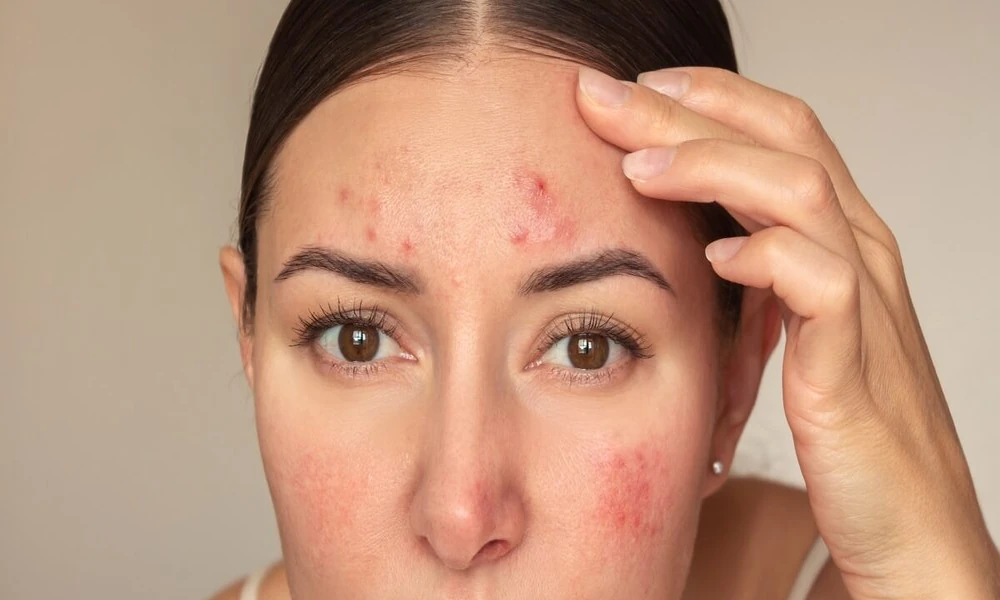
A busy week at work. A difficult family situation. Sleepless nights before an important event. Many people notice changes in their skin during these moments, even when they have not changed their skincare products or daily routine. A sudden breakout, increased redness, or skin that looks dull and tired can appear without warning. While these problems may seem unrelated to emotional stress, the connection is stronger than most people think.
Your skin is not separate from the rest of your body. When your mind experiences pressure, your body reacts, and your skin often becomes one of the first places where those reactions become visible.
Key Takeaways
. Stress can influence how your skin looks and feels.
. Hormonal changes linked to stress may increase oil production and irritation.
. Existing skin conditions often become harder to manage during stressful periods.
. Daily habits such as sleep, exercise, and relaxation can support healthier skin.
. Some individuals explore treatments like Celluma Red Light Therapy as part of their overall skincare approach.
Why Your Skin Responds to Stress
Think of stress as an alarm system. When your brain senses pressure, it sends signals throughout the body to prepare for action. This response is useful in short-term situations, but problems can develop when stress becomes a regular part of daily life.
During these periods, the body releases chemicals that influence many systems, including the skin. Blood flow patterns can change, oil glands may become more active, and inflammation levels can increase. As a result, skin may behave differently than usual.
This is why people often notice skin issues during exam periods, major life changes, demanding jobs, or emotionally challenging situations.
Signs That Stress May Be Affecting Your Skin
Stress does not affect everyone in the same way. Some people experience acne, while others notice dryness or irritation.
Common signs include:
Unexpected Breakouts
Even adults who rarely experience acne can develop pimples during stressful periods. Increased oil production creates an environment where clogged pores become more common.
Redness and Irritation
Stress can make the skin more reactive. Minor irritants that normally cause no problems may suddenly lead to redness or discomfort.
Dry, Tired-Looking Skin
When stress interferes with sleep and recovery, skin can lose some of its natural glow. Many people notice rough texture, dullness, or flaky areas.
Flare-Ups of Existing Conditions
People living with eczema, psoriasis, or rosacea frequently report worsening symptoms during stressful periods. While stress may not directly cause these conditions, it can make them more noticeable and difficult to control.
The Sleep Connection
One of the biggest reasons stress affects appearance is its impact on sleep. Poor sleep limits the body’s ability to recover and repair itself. Dark circles, puffiness, uneven skin tone, and a tired complexion often become more visible after several nights of inadequate rest.
When stress and lack of sleep occur together, the effects on skin can become even more noticeable.
Can Stress Speed Up Skin Aging?
Research suggests that long-term stress may contribute to processes linked to premature aging. Constant exposure to stress-related changes in the body can affect collagen and overall skin quality over time. This does not mean a stressful month will suddenly create wrinkles. However, years of unmanaged stress may influence how skin ages and recovers from daily environmental damage.
Practical Ways to Support Your Skin during Stressful Times
Improving skin health often requires more than applying creams and serums. Looking after your overall well-being matters just as much.
Create Consistent Sleep Habits
A regular sleep schedule gives the body time to repair and restore itself. Small improvements in sleep quality can make a visible difference.
Stay Active
Physical activity can reduce stress levels while supporting circulation. Better circulation helps deliver oxygen and nutrients throughout the body, including the skin.
Eat Balanced Meals
A diet rich in fruits, vegetables, healthy fats, and protein provides nutrients that support normal skin function.
Take Short Mental Breaks
Simple activities such as walking, stretching, meditation, or deep breathing exercises can help reduce daily tension.
Avoid Overcomplicating Your Skincare Routine
When skin becomes stressed, adding multiple new products may increase irritation. A simple routine focused on cleansing, moisturizing, and sun protection is often the safest approach.
Light Therapy and Stress-Related Skin Concerns
As interest in non-invasive skincare treatments grows, some people look into Celluma Red Light Therapy. The treatment uses specific wavelengths of light that are often studied for their potential effects on skin appearance and inflammation. While it is not a cure for stress-related skin concerns, it is sometimes discussed alongside broader wellness and skincare practices that support healthier-looking skin.
Final Thoughts
Stress can influence much more than your mood. It can affect oil production, skin sensitivity, sleep quality, and existing skin conditions. The good news is that many stress-related skin changes improve when the underlying pressure is addressed. Healthy habits, consistent self-care, and effective stress management can support both emotional well-being and skin health. When your body feels more balanced, your skin often reflects that change as well.