

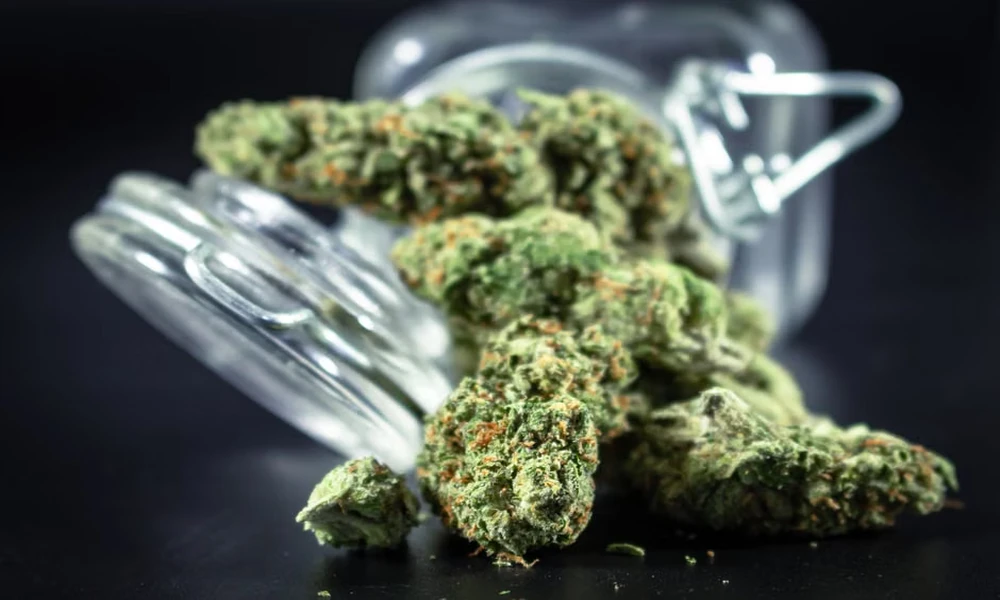
Comparing two THCA flower strains accurately requires evaluating cannabinoid data, physical characteristics, terpene composition, and effect profiles against consistent criteria applied equally to both options under review. Subjective impressions alone produce unreliable comparisons that shift with context and prior familiarity rather than reflecting measurable differences between the two strains being assessed. Identifying the best thca flower between two options depends on how clearly each meets defined standards across potency, structure, aroma, and onset, rather than on general reputation or brand marketing claims from the supplier. A structured comparison using laboratory data alongside direct physical assessment produces conclusions that hold across repeated evaluations and different purchasing contexts over time.
Cannabinoid profile review
Cannabinoid panel data from each strain’s certificate of analysis provides the measurable baseline for an accurate and evidence-based comparison between the two options. THCA percentage, CBD content, and minor cannabinoid concentrations together determine the potency profile that distinguishes one strain from another at a measurable chemical level available in the documentation. Comparing these figures directly from batch-matched laboratory reports confirms whether differences in effect are supported by measurable chemical variation rather than subjective perception or cultivar reputation alone, without documented evidence.
Visual structure comparison
Side-by-side physical examination of equal quantities under consistent lighting reveals cultivation and handling differences that laboratory data does not capture as a standalone assessment. Place samples from both strains under natural or neutral artificial light and assess each of the following characteristics directly and equally:
- Bud density: firmness and resistance to compression under light pressure applied equally to both samples without bias
- Trichome coverage: visible frosting across calyx surfaces and sugar leaves compared between strains under the same lighting conditions
- Colour integrity: vivid versus dull or brown-tinted colouration, indicating relative freshness or oxidation level present in each sample
- Trim quality: clean, even trimming versus rough surfaces that damage trichome coverage during the post-harvest processing stage
Terpene data assessment
Terpene profiles listed on laboratory reports reveal aromatic and flavour differences between two strains with measurable precision that sensory assessment alone cannot provide consistently across evaluations. Dominant terpenes such as myrcene, limonene, and caryophyllene appear at different concentrations across cultivars, producing distinct scent profiles and contributing to variation in effect character between the strains under comparison. Cross-referencing terpene panel data with direct aroma assessment confirms whether the listed compounds are detectable at concentrations that meaningfully differentiate the two strains being evaluated at the time of purchase.
Effect onset differences
Onset speed and duration differ between strains based on cannabinoid concentration, terpene interaction, and individual consumption method applied consistently across both evaluations for a valid comparison. A strain with higher THCA concentration and a terpene profile weighted toward myrcene typically produces a faster, more pronounced onset than a lower-potency cultivar with lighter aromatic compounds present at lower concentrations across the profile. Documenting onset observations under consistent conditions across both strains produces a reliable comparison that extends beyond the initial evaluation session and supports repeatable purchasing decisions in the future.
A structured comparison using cannabinoid data, physical assessment, terpene profiles, and documented effect observations produces reliable conclusions between two THCA flower strains without relying on subjective impression. Applying consistent criteria across both options removes bias and gives each strain an equal basis for evaluation, regardless of brand familiarity or prior purchasing experience with either cultivar.