

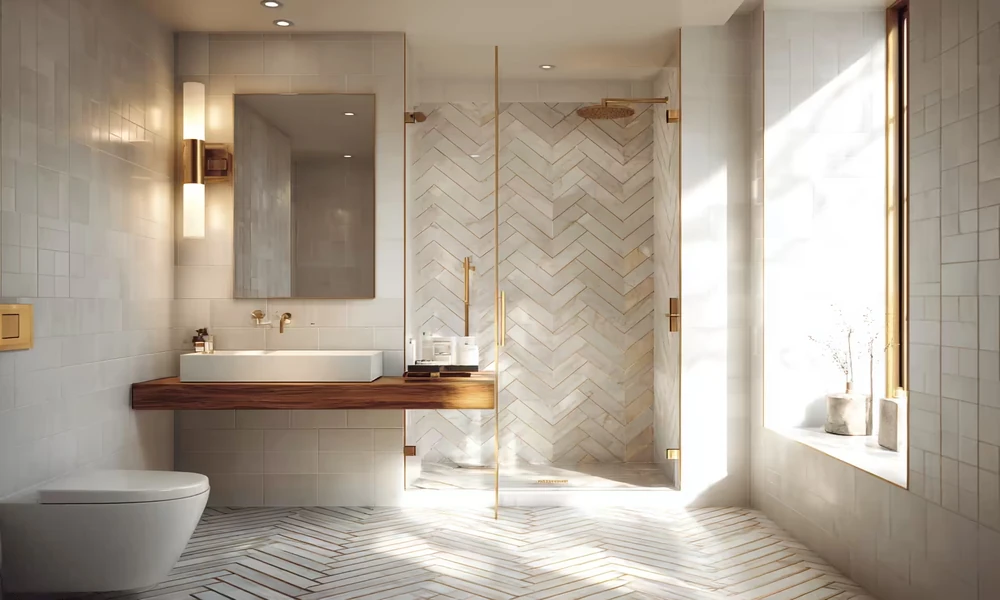
Choosing the right bathroom surface is rarely straightforward. The space must cope with steam, splashes, and daily wear while still looking considered and inviting. Finding bathroom tiles that deliver both visual appeal and practical performance is the key to a room that feels polished yet remains easy to live with.
Understand the Demands of the Space
Bathrooms present unique challenges. High humidity, temperature swings, and frequent contact with water mean that materials must resist moisture absorption, mold growth, and staining. At the same time, floors need adequate grip to reduce slip risk, especially when wet, and walls should be straightforward to clean without aggressive scrubbing.
Start by assessing how you use the room. A family bathroom with young children prioritises durability and safety. An en-suite used mainly by adults may lean more towards refined finishes and larger-format pieces. Measure the area carefully and note any awkward recesses, slopes, or existing fixtures that will influence layout and cutting.
Prioritise Performance Characteristics
Material choice sits at the heart of balancing style and function. Porcelain is a strong contender for both floors and walls because it is dense, low-porosity, and available in a wide range of looks, from concrete-effect to marble-inspired designs. Ceramic tiles remain popular for walls; they are lighter and often more affordable, though they generally suit less demanding areas than porcelain.
Natural stone brings unmistakable character, yet it usually requires sealing and more careful maintenance. If you prefer the look of stone without the upkeep, high-quality porcelain replicas now achieve impressive realism while offering better resistance to water and staining.
Finish matters as much as material. A high-gloss surface reflects light and can make a compact bathroom feel brighter, but it shows water spots and fingerprints more readily. Matt or soft-touch finishes hide marks better and often provide superior underfoot grip. For floors, look for tiles with a suitable slip-resistance rating; manufacturers typically indicate this clearly.
Size and format also affect both appearance and practicality. Large-format tiles create fewer grout lines, giving a cleaner, more contemporary feel and reducing the number of joints that can harbour dirt. Smaller tiles or mosaics offer greater flexibility around curves and allow for more intricate patterns, though they demand more grout and careful installation.
Align Aesthetics with Everyday Reality
Colour and pattern set the mood. Pale, neutral tones enlarge the sense of space and pair easily with most sanitaryware and fittings. Darker shades or bold geometric designs can create drama, yet they may make a small room feel enclosed or require more frequent cleaning to maintain their impact. Consider the existing light levels: a north-facing bathroom benefits from lighter reflective surfaces, while a well-lit room can handle richer hues.
Texture adds interest without relying solely on colour. Subtle relief patterns, fluted surfaces, or gentle tonal variation add depth that photographs well and feels tactile in person. Avoid overly complex or high-contrast designs if the rest of the scheme is already busy; restraint often produces a more lasting result.
Think ahead to the finished look of fixtures, lighting, and accessories. Tiles that work with a range of metal finishes and mirror styles offer greater flexibility if you refresh the room later. Sample boards that combine tile options with intended paint colours, vanity materials, and hardware help prevent costly mismatches.
Practical Considerations for Installation and Longevity
Even the most attractive tile will disappoint if poorly installed or chosen without regard for the substrate. Ensure walls and floors are sound, level, and suitably prepared. In wet zones, a proper tanking system or waterproof membrane is essential regardless of the tile’s own water resistance.
Grout selection influences both appearance and maintenance. Epoxy or high-performance cementitious grouts resist staining and discolouration better than basic options. Matching grout colour to the tile creates a seamless effect; contrasting grout can emphasise the grid and suit more graphic schemes. Plan for expansion joints where recommended, particularly in larger areas or over underfloor heating.
Underfloor heating pairs successfully with most porcelain and ceramic tiles, provided the system is compatible, and the tiles are correctly rated for the temperature range. Confirm this with the manufacturer before finalising the order.
Making the Final Decision
Visit showrooms when possible to see tiles under different lighting conditions and to assess texture and scale in person. Request samples and live with them in the actual bathroom for a few days, observing how they respond to morning and evening light and how they sit alongside existing elements.
Budget realistically. Factor in not only the cost of the tiles themselves but also adhesives, grout, waterproofing, labour, and any necessary substrate preparation. Investing in a slightly more expensive but higher-performing tile often proves economical over time through reduced maintenance and longer service life.
Finally, review the technical specifications thoroughly: water absorption rates, abrasion resistance, frost resistance (if relevant), and recommended applications. Reputable suppliers provide clear data sheets; use them.